Grey Flash 2751

The history and restoration of a Vincent HRD Grey Flash

The T32AS stop valve is a device fitted between the UFM and the oil feed pipe to the engine. When the union on the valve is disconnected and withdrawn, a valve – akin to a plunger – is forced against a seat, sealing the union and preventing oil from leaking out. This means the UFM can be removed from the engine without the need to drain the oil out first – clever stuff! This contrivance was also fitted to the Grey Flash.
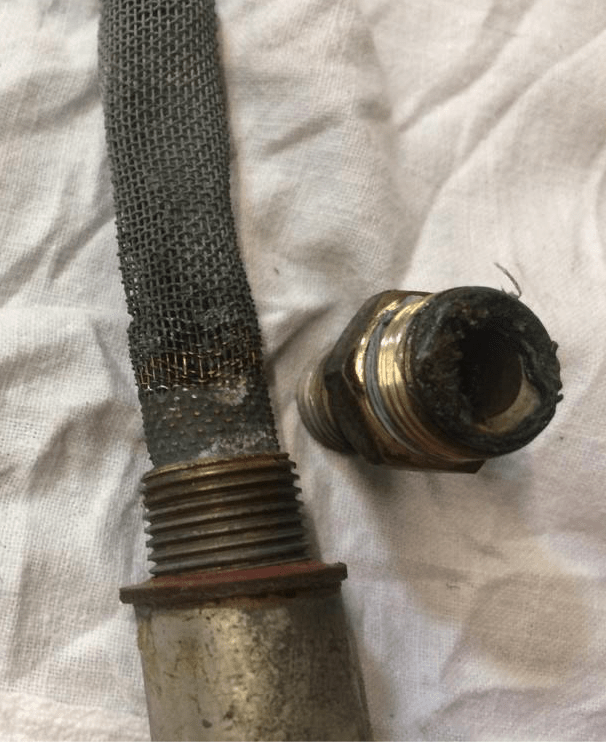
This is what we were presented with once it was detached from the UFM.

An original part, the assembly was lacking the internal valve as this would have been an impedance to the high oil flow critical for a highly developed racer.

When Bert removed the UFM, he was surprised to hear that something was rattling around inside the oil tank. Investigation revealed a drilled metal pipe. This provoked much head scratching – how the hell did it get in there in the first place? Such were the dimensions of the pipe that there was no way it could have been introduced through the filler neck and thus was impossible to retrieve… We eventually deduced that this sleeve was originally situated over the gauze strainer of the stop valve (see pics) – it must’ve been a push fit onto a boss on the female part that the stop valve screws into. At some point it had become detached – it would have been like that for decades and raced with it rolling around loose in the UFM… We will have to leave it as-is as there’s no way of getting it out without cutting a hole in the oil tank! The oil return metering valve assembly, in the tank filler neck, gets in the way…

Once cleaned.

The internal valve plunger will be procured and reinstated. This small dull chromium plated part is original to the bike – great! 🙂
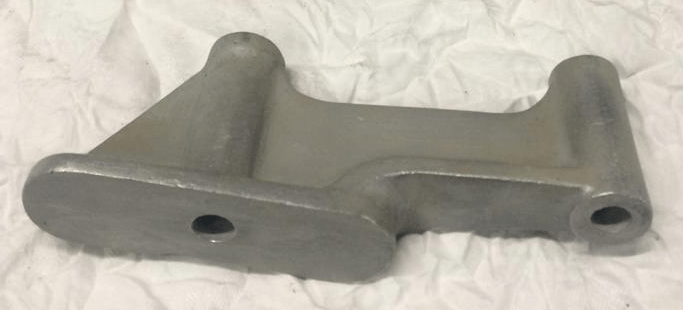
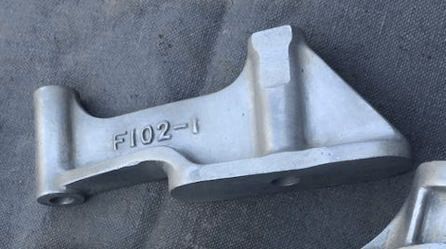
Like the F106/1 frame tie, this part is unique to the Grey Flash model and differs to the standard road-going version fitted to Comets and Meteors.

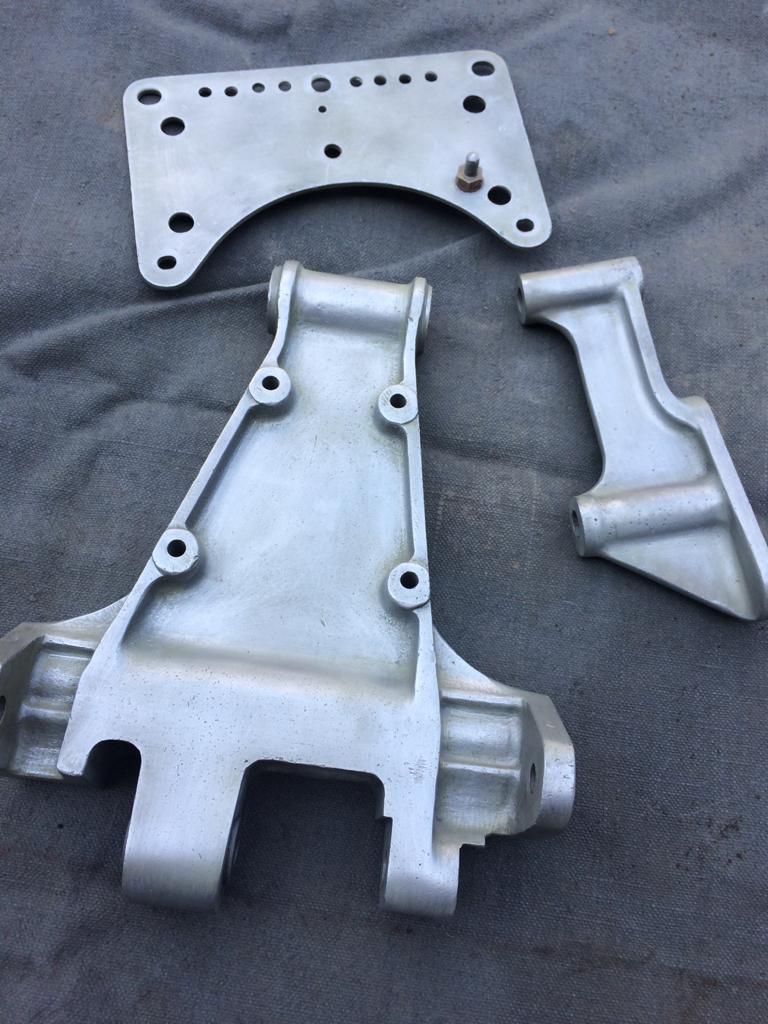
The F102-1.
Very different to the standard road-going item.
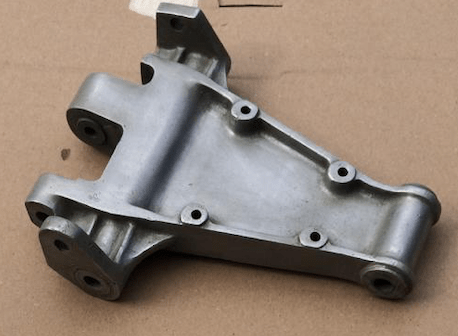
For comparison purposes, a shot of another genuine F102-1. Image courtesy of David Dunfey.
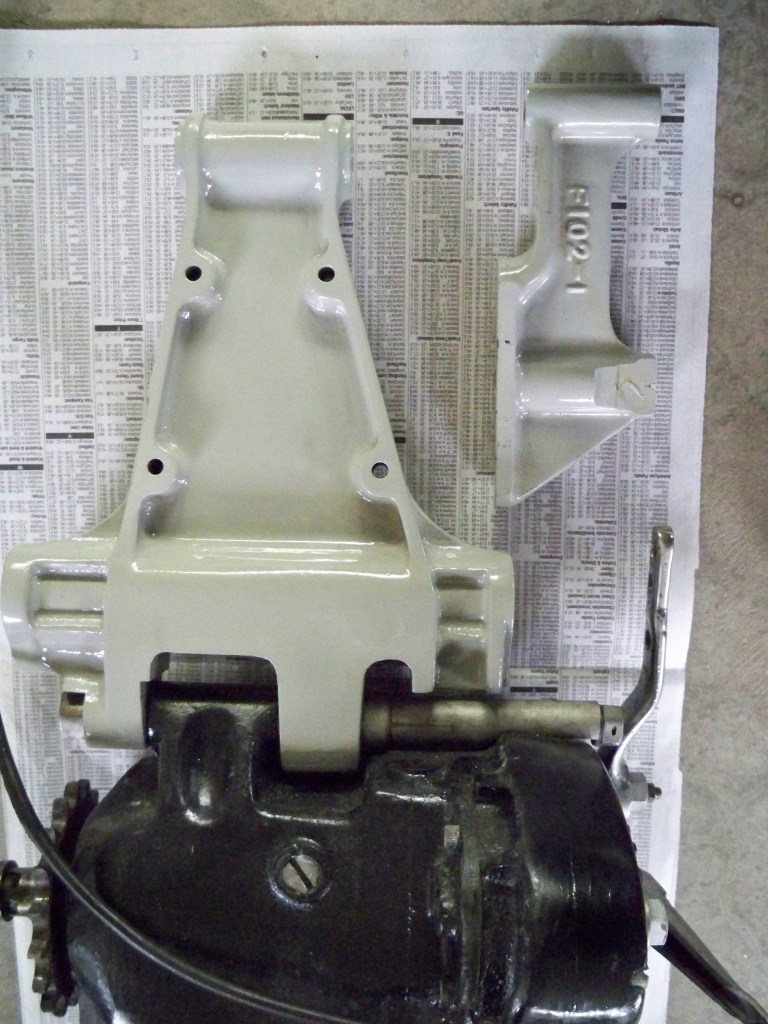
This part has also been subjected to anodising.

When the F102/1 is laid next to other anodised components from 2751, a match in finished appearance is obvious. This rare part is an original component that has remained with the motorcycle since it was made.

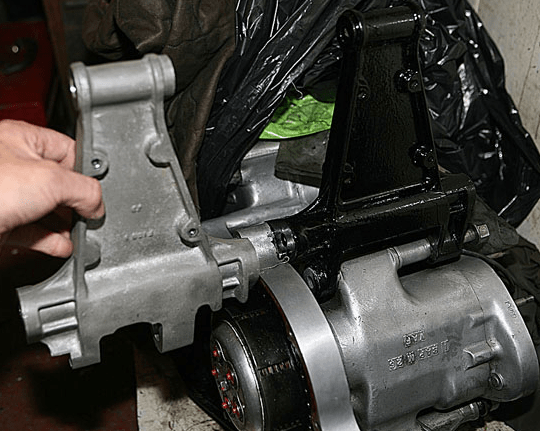
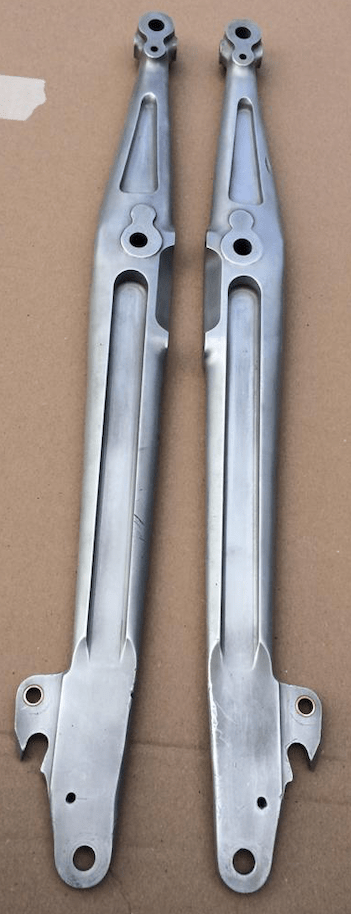
A specially machined F106 was employed to lock the UFM to the gearbox, tying the top and bottom of the motorcycle together.

Visible here prior to dismantling.
Once stripped, this is what we were presented with.
The other side of the component – the cast-in high relief part number has been erased.
Another original F106/1 for purposes of comparison – again, no part number.
Image courtesy of David Dunfey.
A pattern F106/1 frame tie (left) compared to a standard F106 used for the Burman gearbox on the Comet and Meteor. Interesting to note the difference in appearance between this raw casting and the finish on our part.
A close-up of the anodised finish.
Again, a uniformity of finishes…
…Which is what we’re looking for.

An impossible-to-find part which is original to the bike without any doubt.

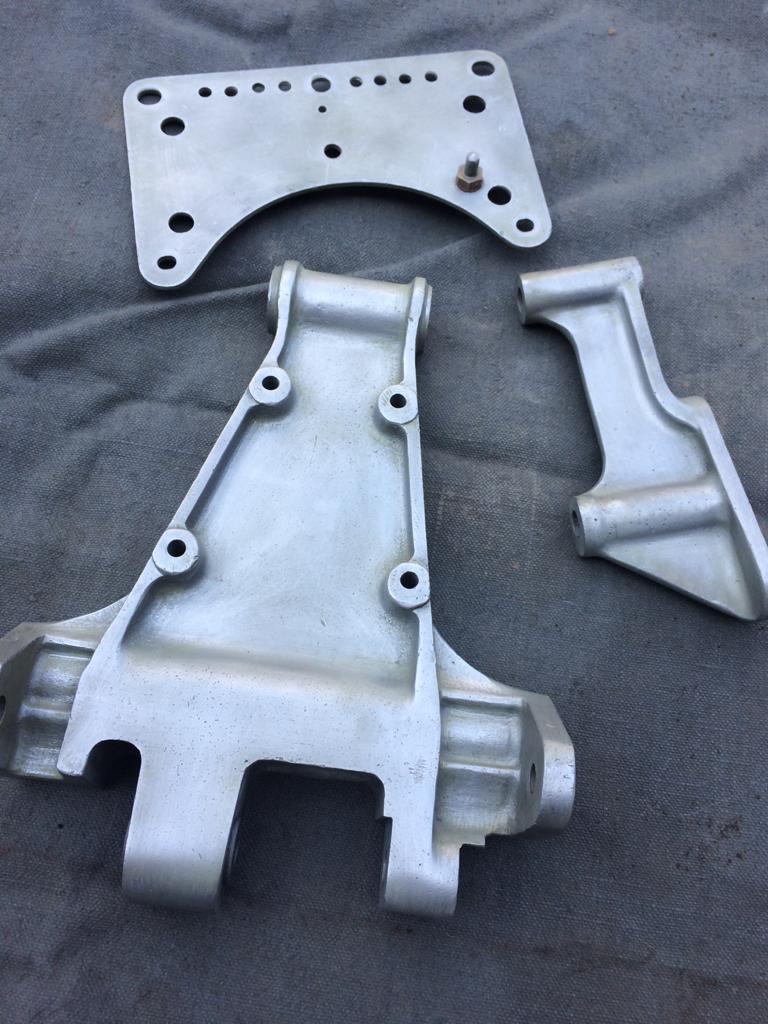
This component is of a special configuration to accommodate the Albion racing gearbox and thus unique to the Grey Flash.

The one fitted to 2751
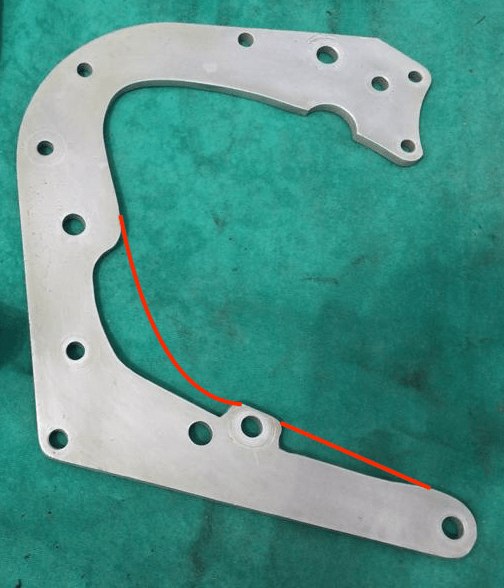
When compared to another original Grey
Flash G50 some differences are apparent.

This modification was performed in antiquity but for what purpose we’re not sure.There is an argument that it was done for purposes of lightening though we think it may have been undertaken to enable easier removal of the gearbox.

Certainly, this is an original piece, although altered. To try to replicate the shape accurately without a similar part as a template would be be nigh on impossible.

Compared to the FF32 bridge plate.

This part would almost certainly have been silver anodised though it’s difficult to discern now.

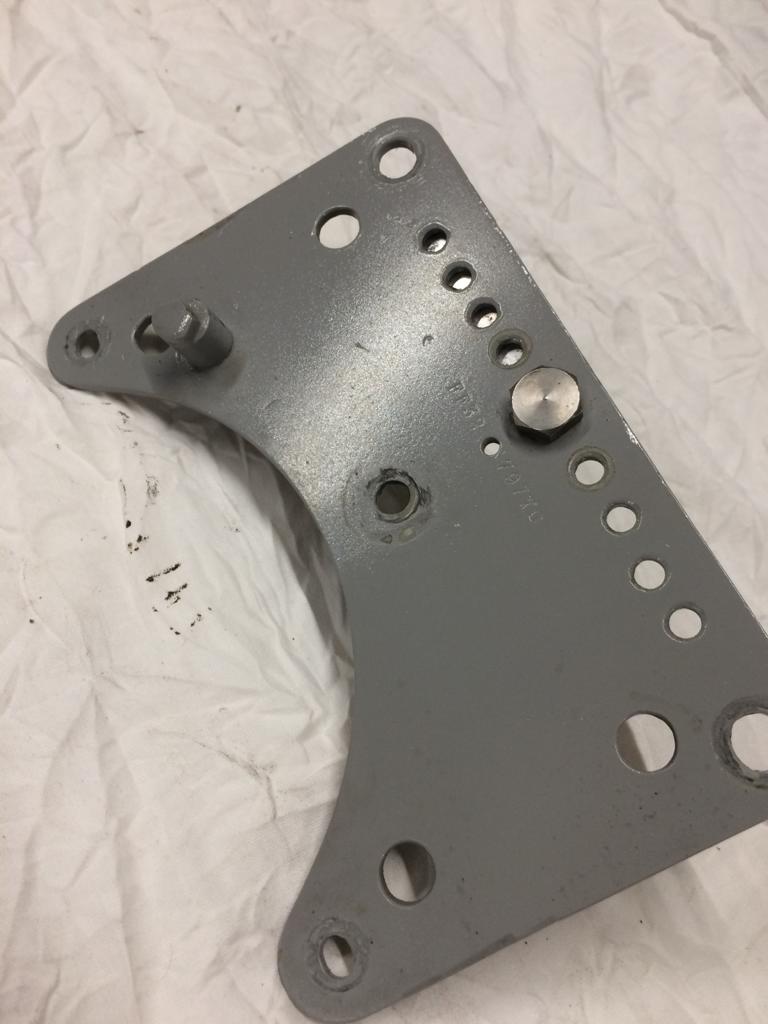
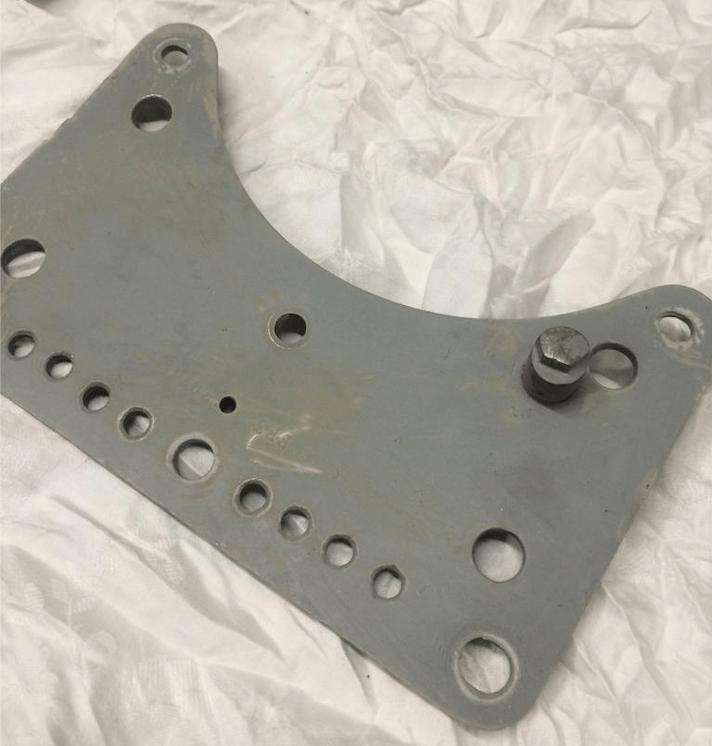
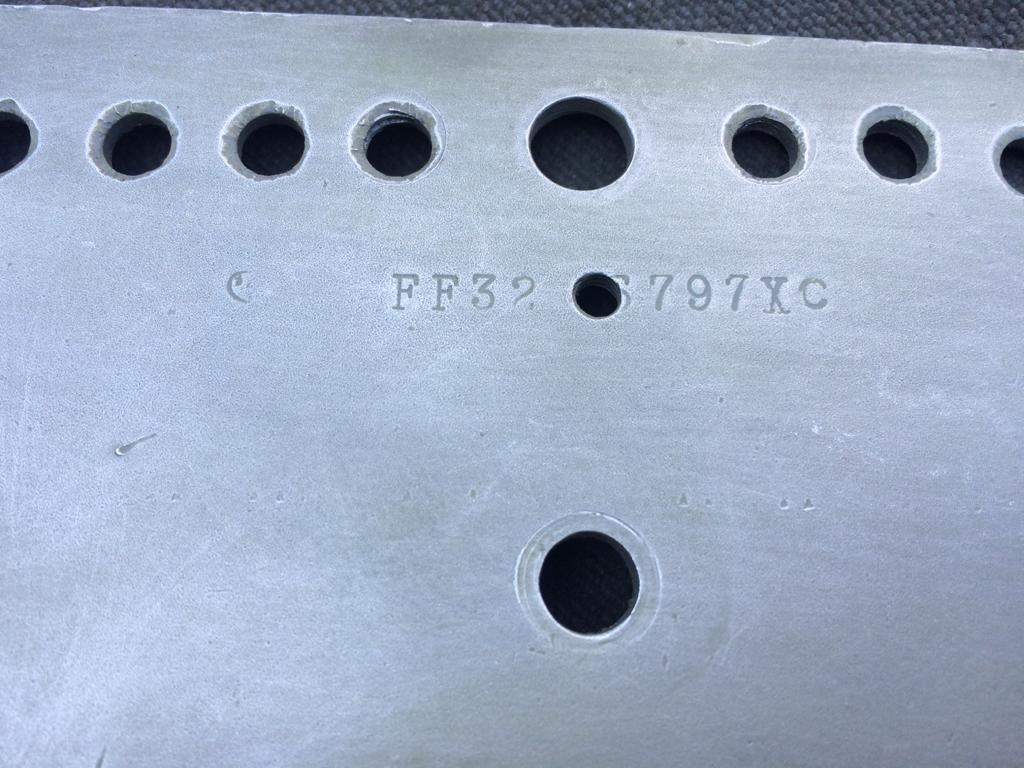
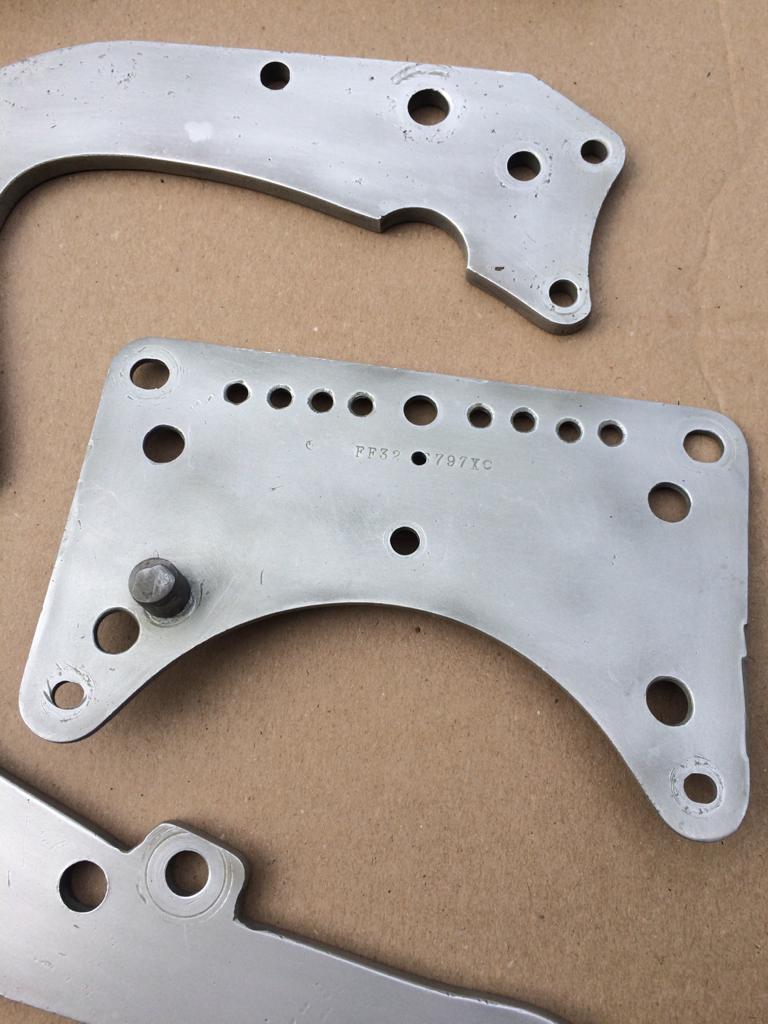
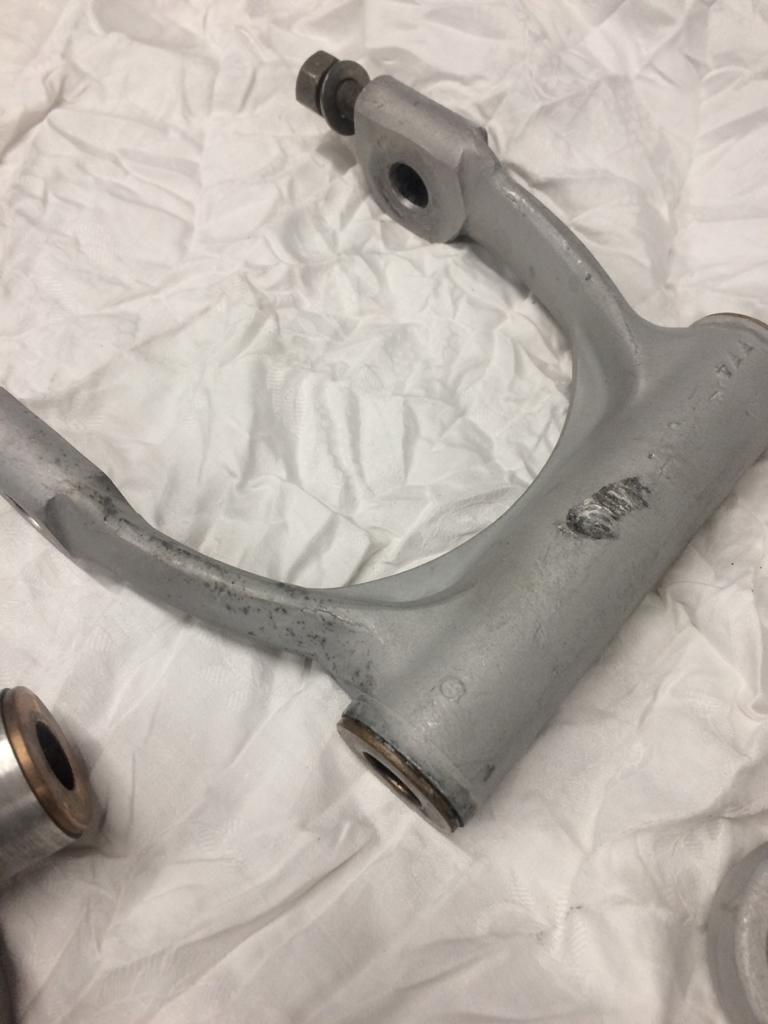
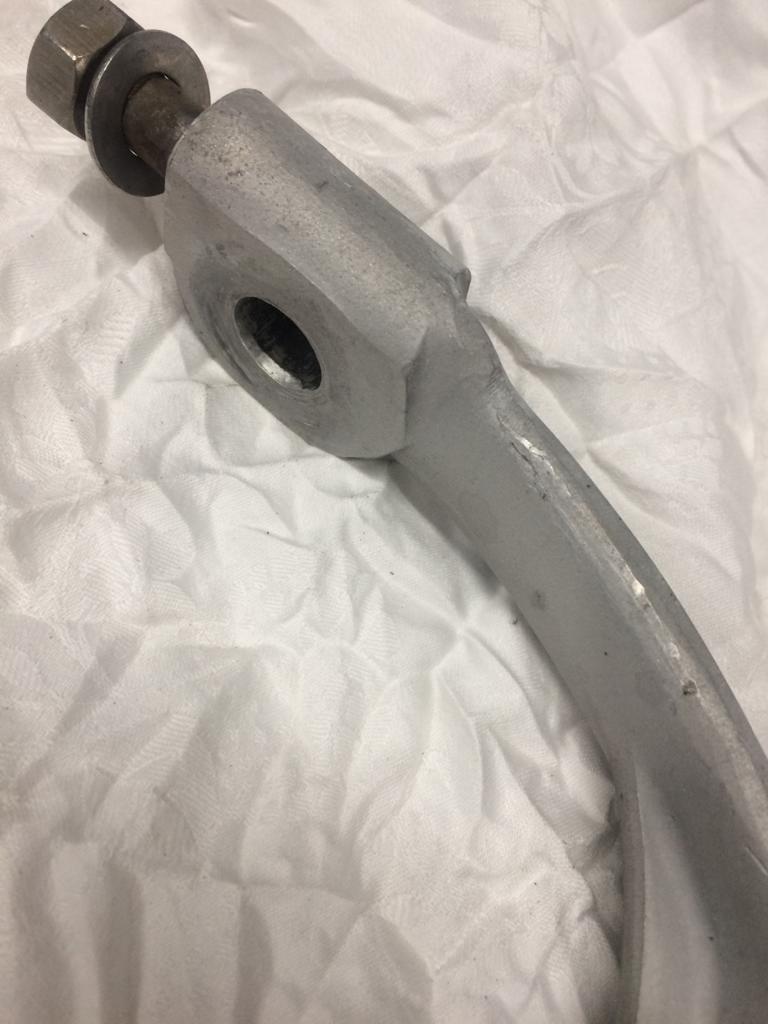
The bridge plate, from the front fork assembly, appeared to have some age to it. A standard bridge plate, stamped ‘FF32’, would have been anodised but was listed with the suffix of /1.

As removed.

Two layers of paint were removed – a good sign! many of the parts had been painted twice: The top layer had been applied by Peter Johnson and Terry Prince and beneath that we found another layer of paint and primer that had been applied years previously. Peter has told me that when he acquired the “bones” of the bike many of the parts had already been painted, so we knew that this layer of finish had been applied in antiquity and, at the same time, to other key parts (such as the forks). Removing it proved a bit of a task as it was stubbornly impervious to Bert’s preferred method of stripping using thinners.

With the top coat of grey paint removed. This older finish proved difficult to shift…
The rear (stripped). It’s been drilled and altered over the years.
One side features this stamping. The font for the suffix is the same as for the “FF32” part number meaning that it was done at the factory. We are not sure what it signifies.
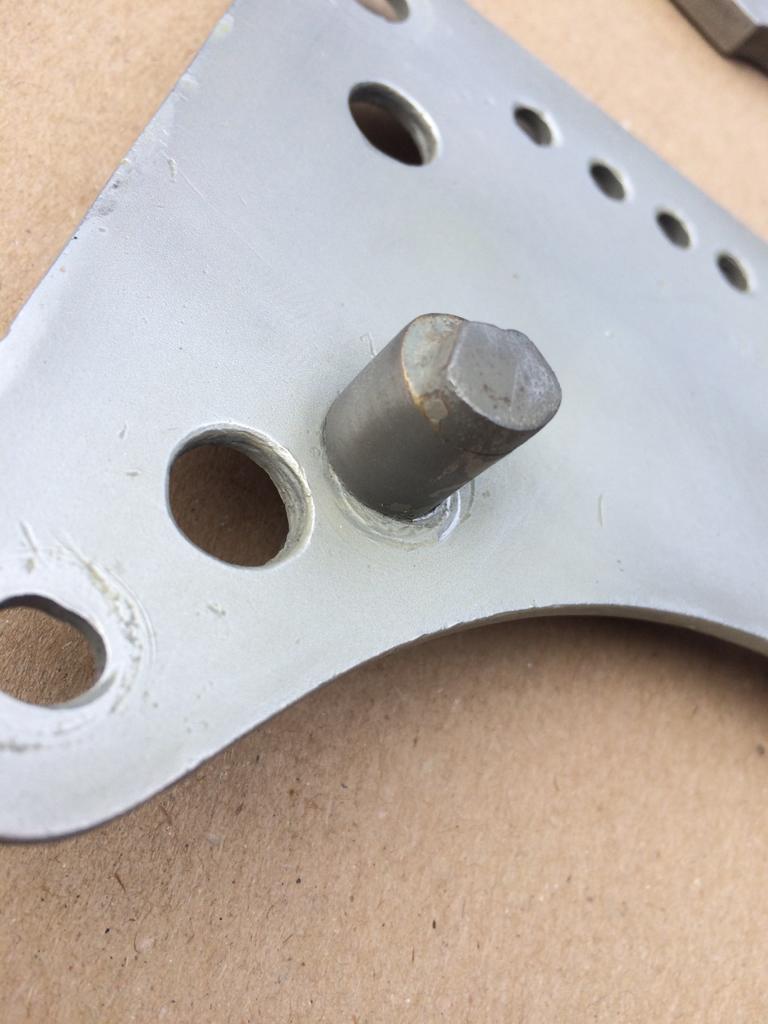
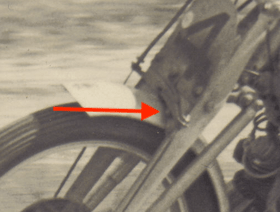
This brake balance beam stop appears to be dull chromium plated… We believe it to be an original part that was repositioned at some point.
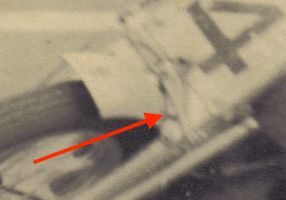
In this period shot we can see it on the drive side of the bike.
Here too…
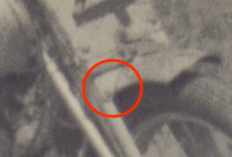
For sure, it wasn’t fitted to the timing side…

The finish indicates that it likely to be original to the bike, which means the bridge plate is also an original anodised part.

Set next to the G50, we can see a uniformity of finishes.

The above shot shows the bridge plate next to the G50 pivot bearing plate which is an original part, albeit modified in-period. The finish is identical which leads us to conclude that the FF32 bridge plate is the one that 2751 left the works fitted with.

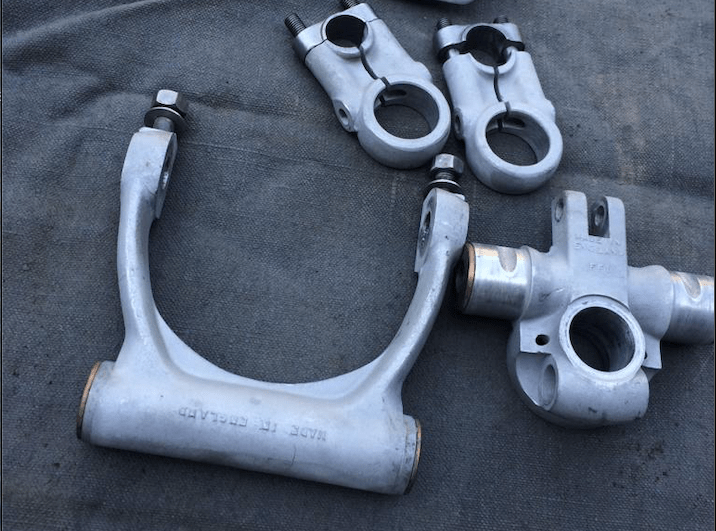
Now that we have ascertained the correct anodised finish on the fork legs, and have a reference point, we can compare other alloy parts, that we suspect to be anodised, to see whether they show signs of the same finish. If they do then we can be certain that they are original to the bike. It should be noted that these parts are listed, in the Parts List, with the parts number suffix of /1. This designates them as having the non standard anodised finish. This suffix was not cast into parts themselves as the parts were standard items differing only in their finished appearance.

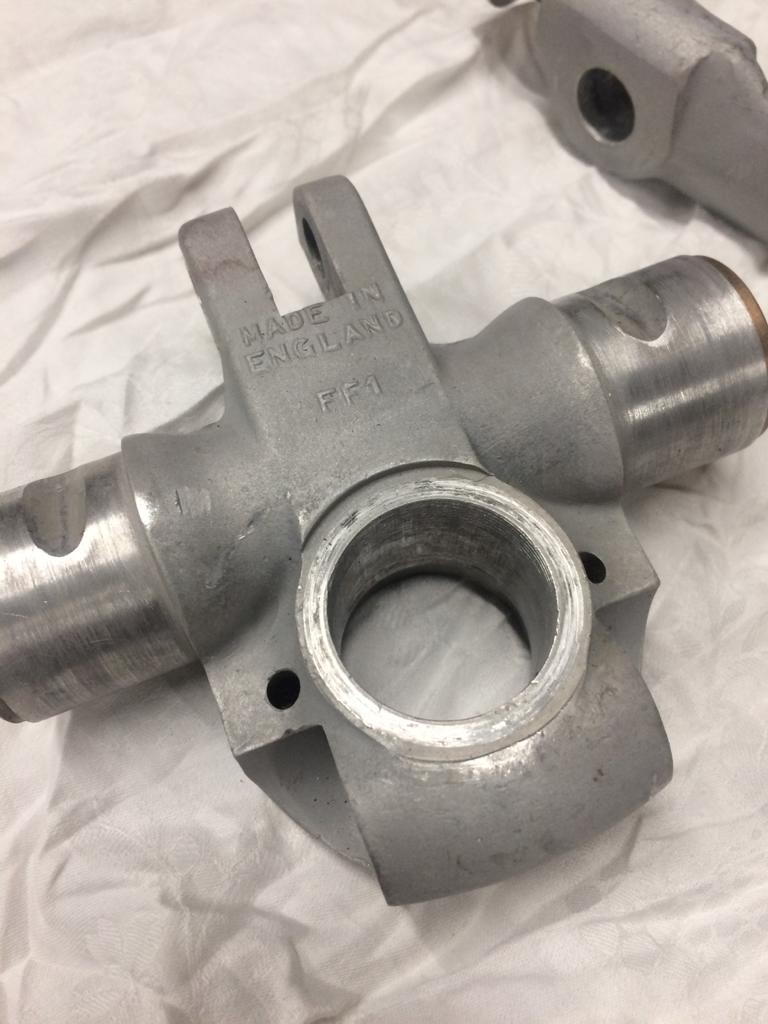
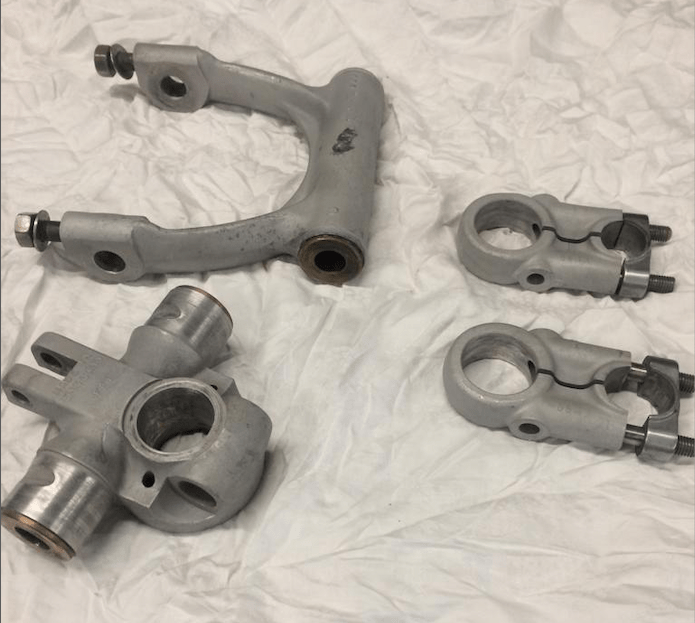
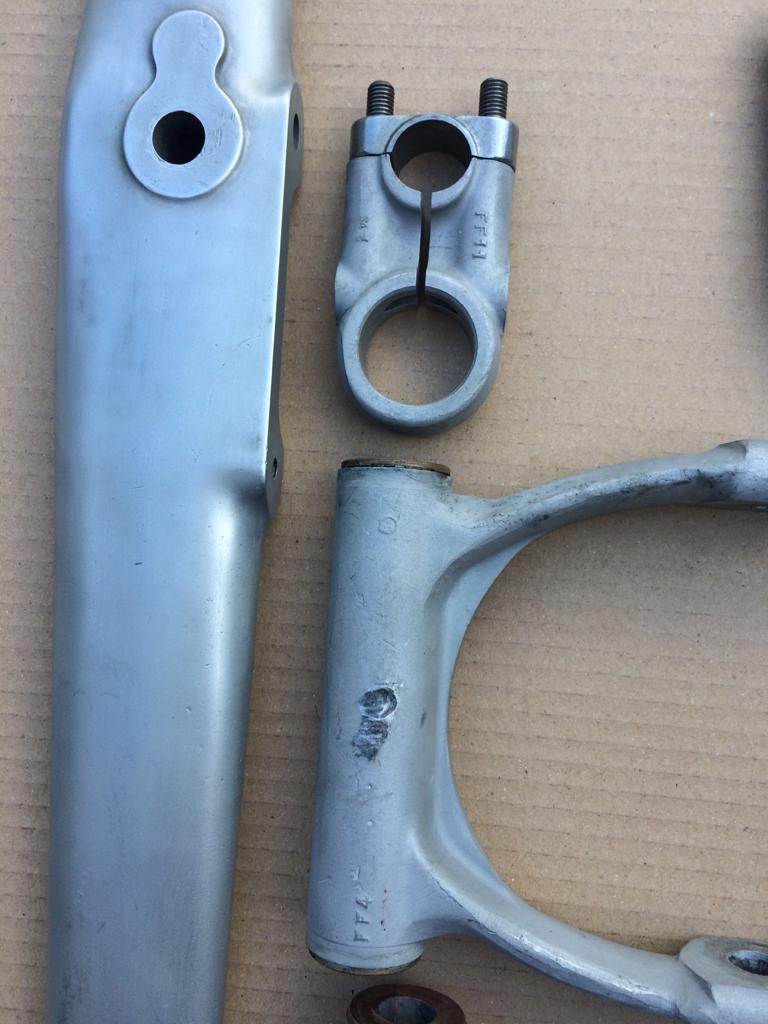
FF1/1 Head Clip

The peculiarly named “head clip”…
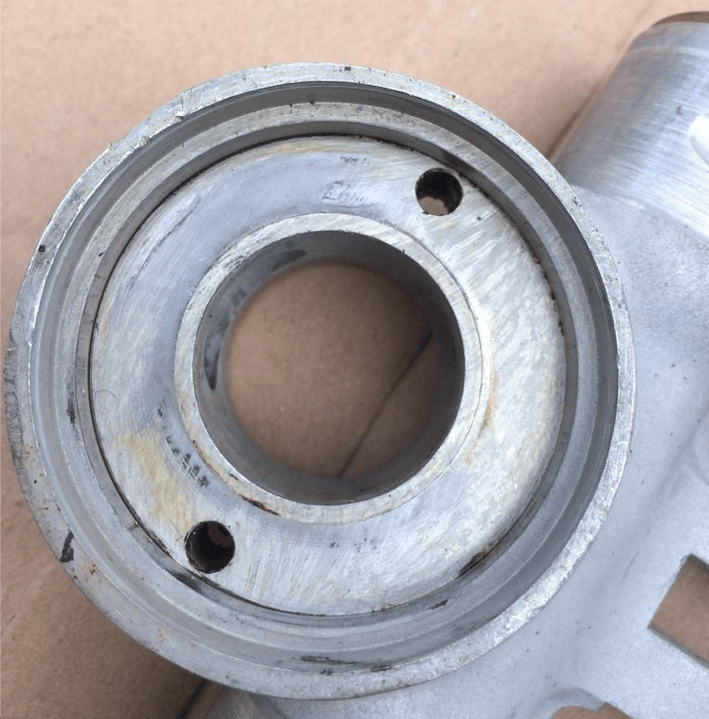
With the bearing race removed.

Plenty of the exotic anodised finish evident here. And with the bearing race removed it was visible in the hidden area underneath. This is especially important as anodizing can be hard to detect on unmachined surfaces.

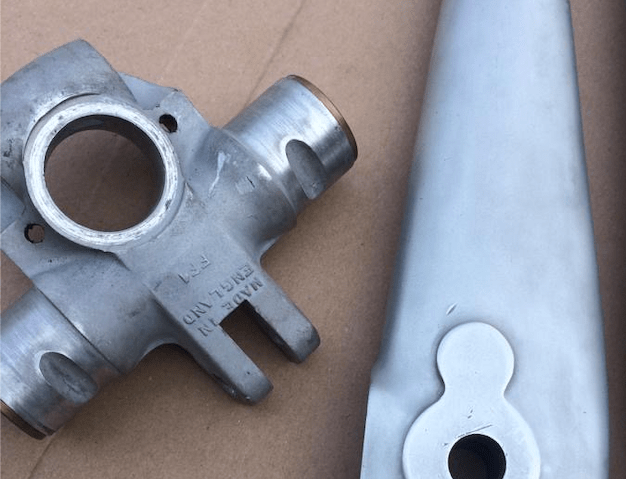
A good match can be made with other anodised parts.
And the forks legs.

FF4/1 Top Link

The anodised finish has been damaged in places.
At first we thought the alloy parts had been sandblasted…
Comparing to other anodised components.

Very happy to have gotten to the bottom of this. It would appear that the complete fork assembly remained together as one unit.

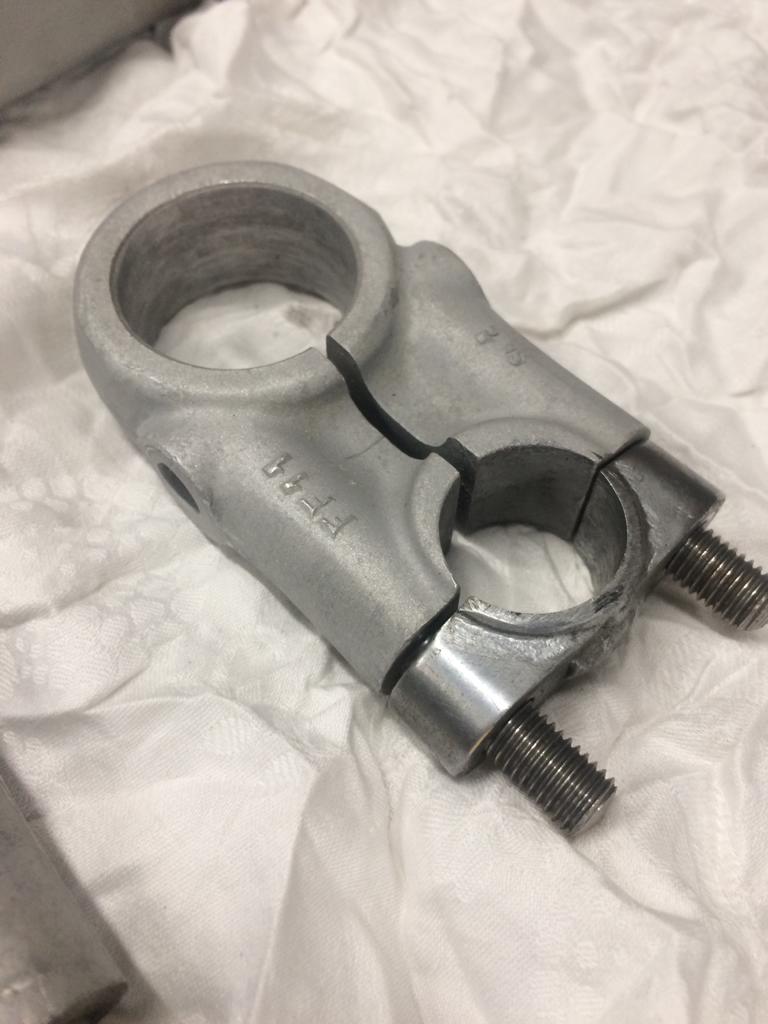
FF11/1 Handlebar Clamps

These also are anodised and feature dull chromed caps. Bert has replaced some of the studs.
A uniform finish is evident.

To now know that these items are original to the bike is incredibly satisfying and more than we had expected.

The following jobs have been undertaken on the UFM:

A bit of surgery was required….

The fuel tank mounting bolt holes had been drilled out and helicoiled for more substantial bolts. Bert machined up two plugs, threaded them and Loctitedâ„¢ them into place. These will enable us to use the standard 5/16″ BSF tank bolts again.

Prior to remedying.

Remote Float Bracket Removal

The bracket in question.

This bracket had been brazed onto the UFM to enable a place where a remote float bowl could be hung. During Peter Johnson’s last year of racing, a hotter cam was fitted. This cam was copied from a profile formulated by renown Aussie racer Eric “Debbo” Debenham and required a change to a GP2 carb fed by the remote float bowl.

Apres removal.

The bracket was carefully ground off. It would have been nice to have left it but it prevented the fuel tank from seating properly. Using the blog search feature to look for “fuel tank” will locate the section where I detailed how I’d managed to acquire the original fuel tank in New Zealand. This early tank was interacting with the bracket and so it had to go…

Crack just visible.

The brazing work had distorted the UFM and some cracking was visible. The cracks will be sealed with solder and the scar painted over with suitably coloured paint.

18.08.20
The soldering work has been completed. The resulting covering of solder is not very pleasing to the eye but a proper repair was necessary as the previous soldering job, to repair cracks caused by brazing the bracket on, was not effective and the cracks had been weeping oil.

It’ll be out of sight anyway.
The whole area has been covered just in case.

Tomorrow Bert will put some petrol in the UFM and leave it for a while to ensure the leak has been well ‘n’ truly sealed.

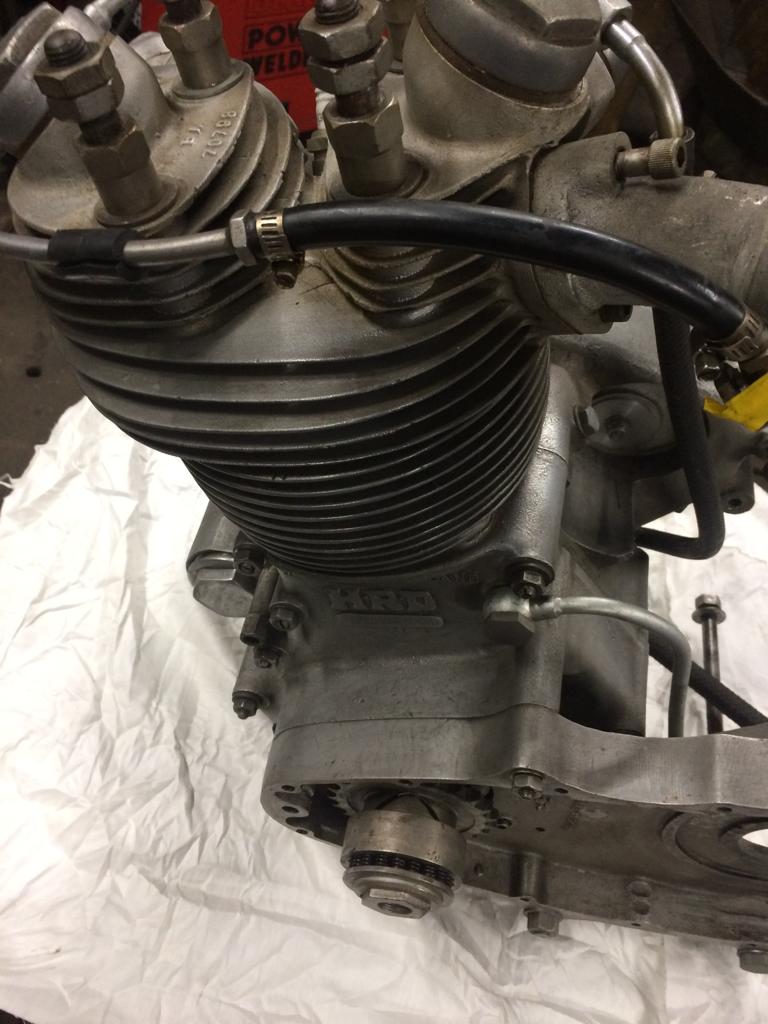
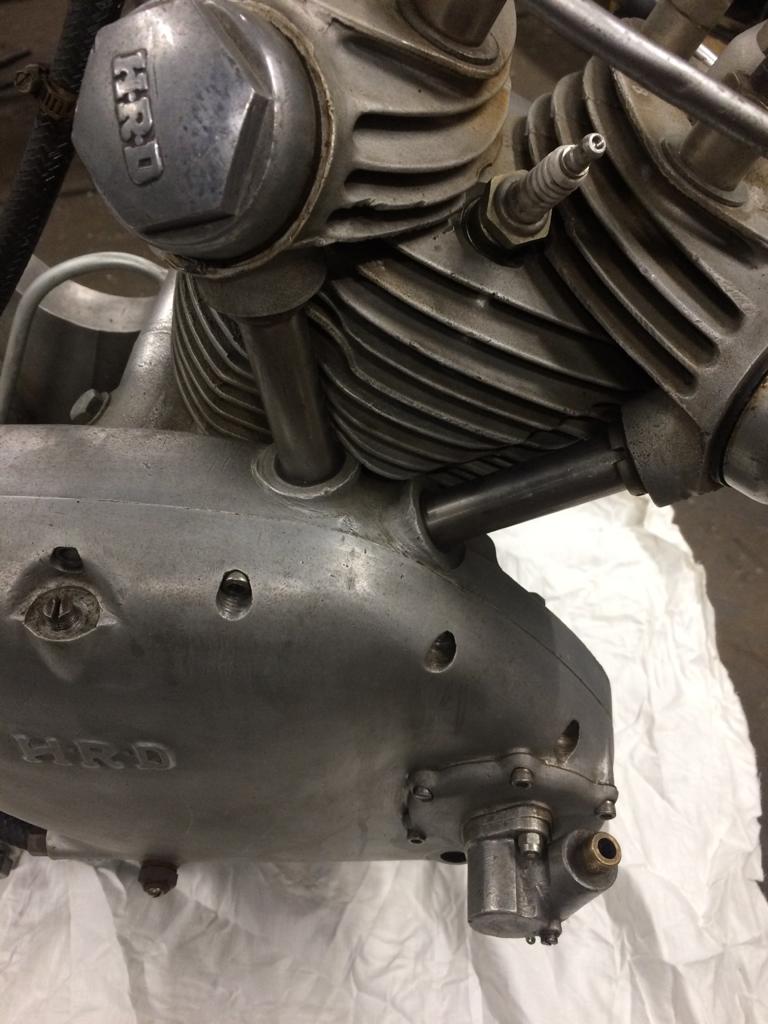
The engine has not been stripped down and we have no plans to take it apart unless deemed necessary. This venerable unit has seen a hard life but was in perfect mechanical condition when the bike was sold to Japan in 1989. Whilst in that country, the bike was only used a few times so we’re not expecting there to be any major issues internally. And we are planning to start and run the bike once the restoration has been completed.

The bike would have left The Works fitted with a Vibrac connecting rod – I have a lead on an NOS one but the work required to fit something that (i) can’t be seen and (ii) will be of dubious structural strength seems counter-productive.

It was like bathing a baby but not cleaning it up too much!
Many things to do including the replacement of non standard fasteners and fittings.
This spacer needs investigating…
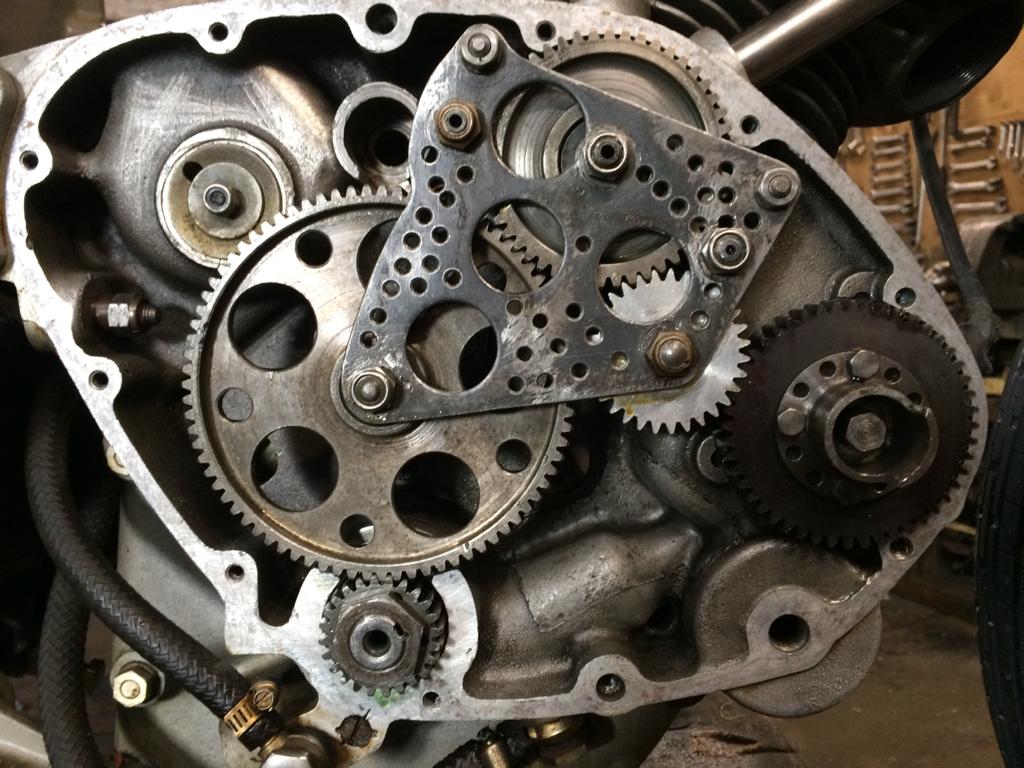
Incorrect tacho drive… The special racing ATD cover needs examining – if it’s incorrect, I have an NOS one waiting in the wings.
A reminder of what it looks like with the timing cover removed.

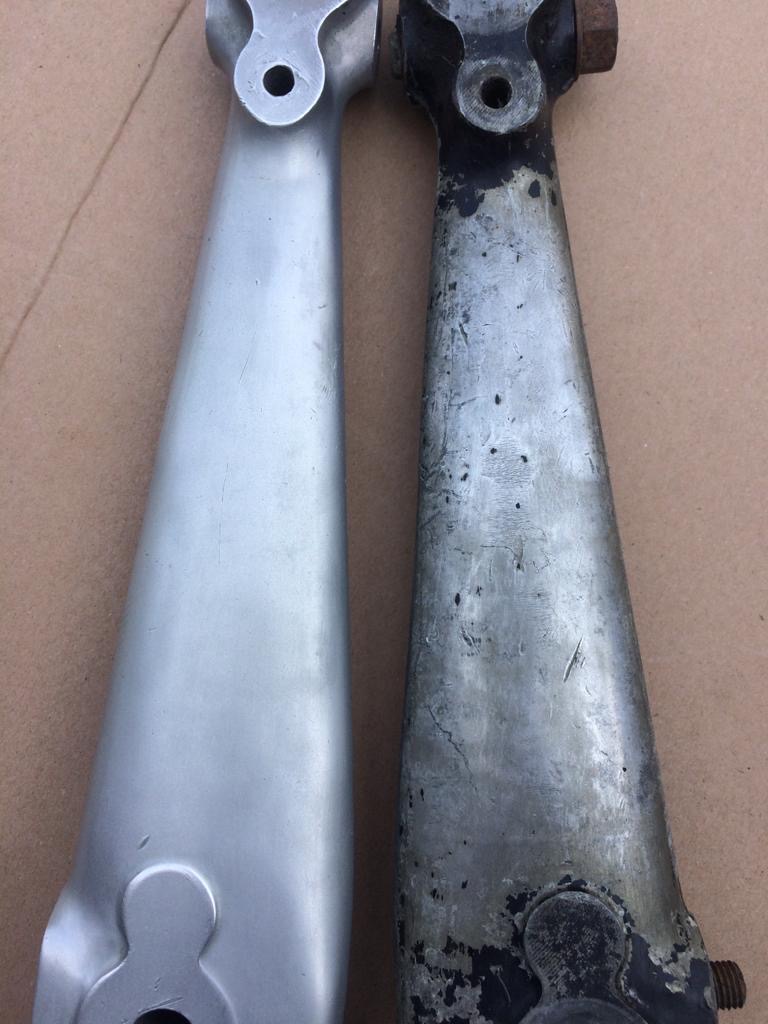
As mentioned in a previous post, the Girdraulic fork legs, which are original to the bike, were anodised. This Grey Flash, the third production bike, was a new model for Vincent and they were trying to impress the market. To this end, the bike left The Works with eye-grabbing finishes – later Grey Flashes were simply painted grey. The dull chromium plate has been easy to spot, once the paint was stripped off the parts. However, whether alloy parts still showed signs of anodising has proven frustratingly difficult to ascertain. You see, the anodised finish was silver in colour which looks very similar to bare aluminium, especially on castings. The forks looked incredible, once they’d been stripped of their paint, and we knew, without a shadow of a doubt, that (i) they were original to the bike and (ii) they would have been anodised. They would be the perfect reference point for comparing other parts to, to see whether those parts were anodised or not. Then I remembered that I had an original, untouched Girdraulic fork leg stashed away at home. So, I arranged to have it dug out and my mum sent it to Bert. Once it had arrived, he stripped off the stove enameling and laid it next to one of 2751’s legs.

The difference was like night ‘n’ day!
The attention to detail is impressive…
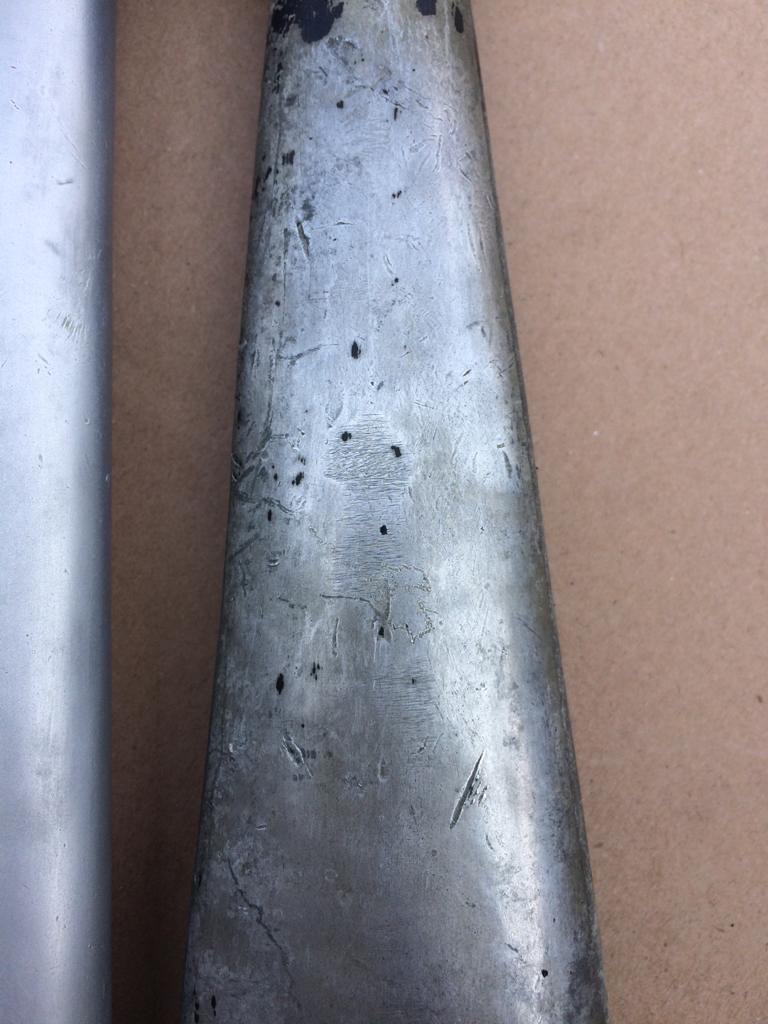
The standard leg looks rough in comparison.

We were blown away by what we found. Aside from all the usual dings and scratches visible on the standard leg, the whole part was covered in casting blemishes and imperfections. These would have had to have been labouriously polished out prior to anodizing.

“Anodising is a method for changing the surface chemistry of metals and other substrates. It protects against corrosion, enhances aesthetic qualities, resists scratching and is one of the most durable surface finishes available.”

This explains why 2751’s fork legs look so good after all these years. In addition, at some time they were painted (Bert removed two layers of different paint) which added a further level of protection. And it’s very fortunate that whomever painted them, refrained from roughing the metal surface to provide a “key” for the paint.

Just exquisite!

This exercise has taken some organising but we have achieved a satisfying result. This not only allows us to see just how special the forks are but gives us a solid reference point when trying to ascertain whether other alloy parts are anodised or not, which, if they are, will mean that those parts are original to the bike. Very, very happy about this. 🙂

Herewith a selection of additional parts that were delivered to Vernon Moss yesterday for dull chromium plating.

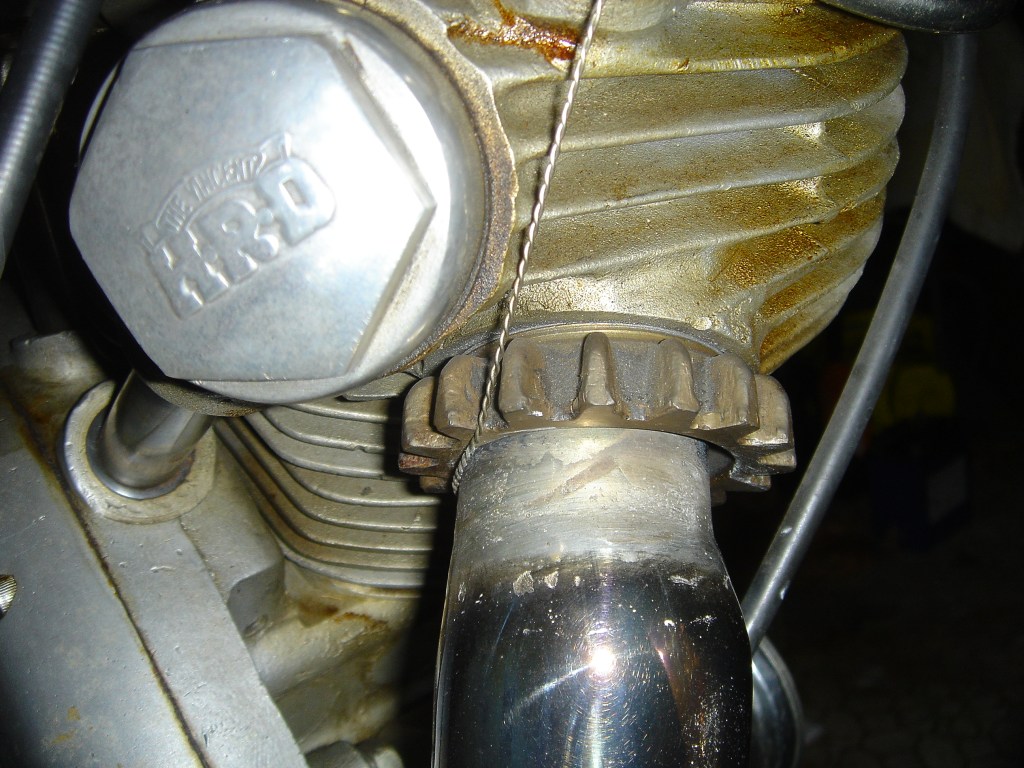
All re-manufactured parts: mudguard stays courtesy of Bob Culver, the tachometer bracket and the turned-down exhaust nut. The nut would originally have been a standard one but we have replicated the one used by Peter Johnson when he raced the bike in Australia. A new one was deemed necessary and altered accordingly to take up play in the thread.
The Johnson/Prince nut.
Rear stays and front spring box “outers”. These are original parts but not plated and so not original to the bike.
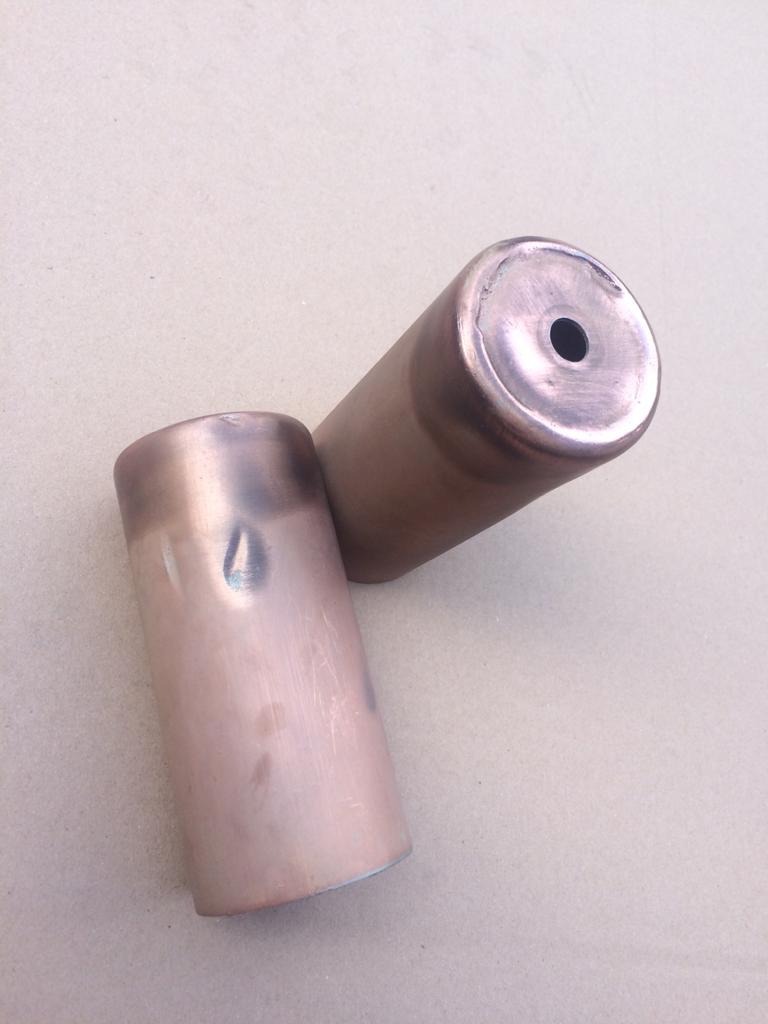
The rear spring boxes appeared thus, once stripped of their paint. We are not sure why they are copper plated.

We look forward to hearing back from the platers in about six weeks time.